
Distiller
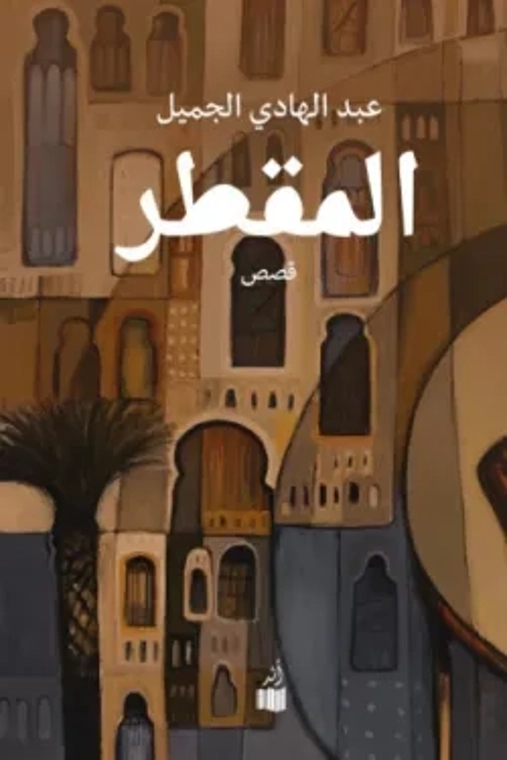
During the winter and spring seasons, Bedouins used to reside in the "maqtar," a cluster of tents arranged in a single row, extending from east to west, resembling train carriages above the sand. The maqtar was built in this manner to prevent prying eyes from revealing the curtains of the open houses and to allow women the necessary freedom to move around their homes or exchange visits. In the evening, men flock to the gathering place of the eldest, most respected, or most generous of them, while the women gather in one of their homes. The maqtar is filled with stories, anecdotes, the scent of coffee, and laughter until summer arrives, when the houses close again and their inhabitants disperse into the desert. The stories of the maqtar's joyful nights turn into poignant memories that will live forever—the stories of this maqtar now before you. About the author: Abdul Hadi Al-Jamil, author of "Al-Muqtar" and one other book. Kuwaiti writer Abdul Hadi Al-Jamil has published several articles and books, including "Al-Muqtar" and "Makhyal." See more of Al-Muqtar's other works.
Maktabat Iqra
|Al Khaleej59
59
1


