
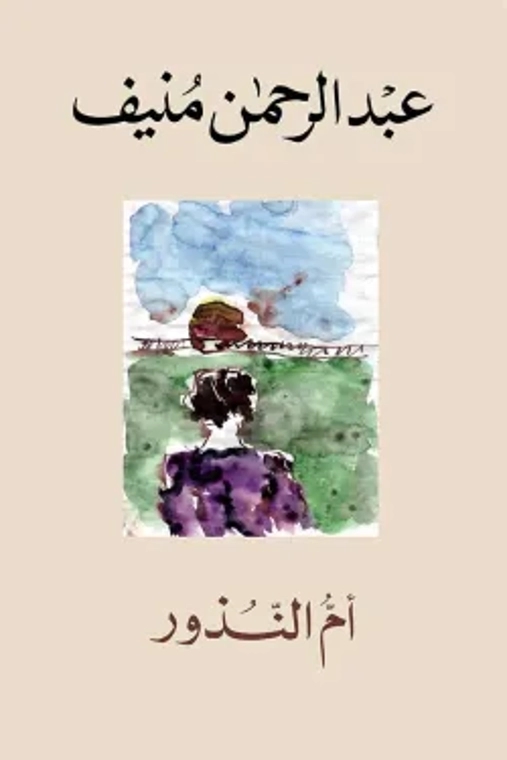
Mother of vows
Umm al-Nudhur is the story of a child's first encounter with life outside his home. The world of books, where Sheikh Zaki teaches the children, and his primary teaching tool: rods of varying lengths. They are a symbol of the process of subjugation. Places he's always heard the names of, and their influence on society: Umm al-Nudhur, Sheikh Mujib, Sheikh Darwish, the river, death, marginal figures in society... A violent, tyrannical fear confronts the child Sameh from his first encounters with society. This fear renders everyone subservient to forces, myths, and illusions that render them powerless to confront them. They become like his mother, subservient to his father, or like that woman who writes incantations or prepares bitter medicines like wormwood. "The vows, this sacred tree, even now, when women sit in the courtyards of their homes during the summer and autumn, and a wind blows from the west carrying with it the scent of moisture, every woman smells the scent of the Mother of Vows, closes her eyes, and makes a wish! The stories of fulfilled wishes are many and intertwined, their fruits more numerous than their leaves... they heal illnesses, bring back travelers, and uncover stolen property. Even the blessings of the sheikh and the vows have touched everyone. About the author: Abdulrahman Munif, author of the novel *Mother of Vows* and author of 16 other books. The writer Abdulrahman Munif. He is considered one of the most important Arab novelists of the twentieth century. Other works by the author have succeeded in redrawing maps. The Writer and Exile: *Mother of Vows*: A Biography of a City (Amman in the 1940s) *When We Left the Bridge*: *Trees and the Assassination of Marzouq*: In the Literature of Friendship*: A World Without Maps*: A Long-Distance Race*: A Zoroastrian Love Story*: Now Here, Between Culture and Politics
Maktabat Iqra
|Al Khaleej39
39
1


